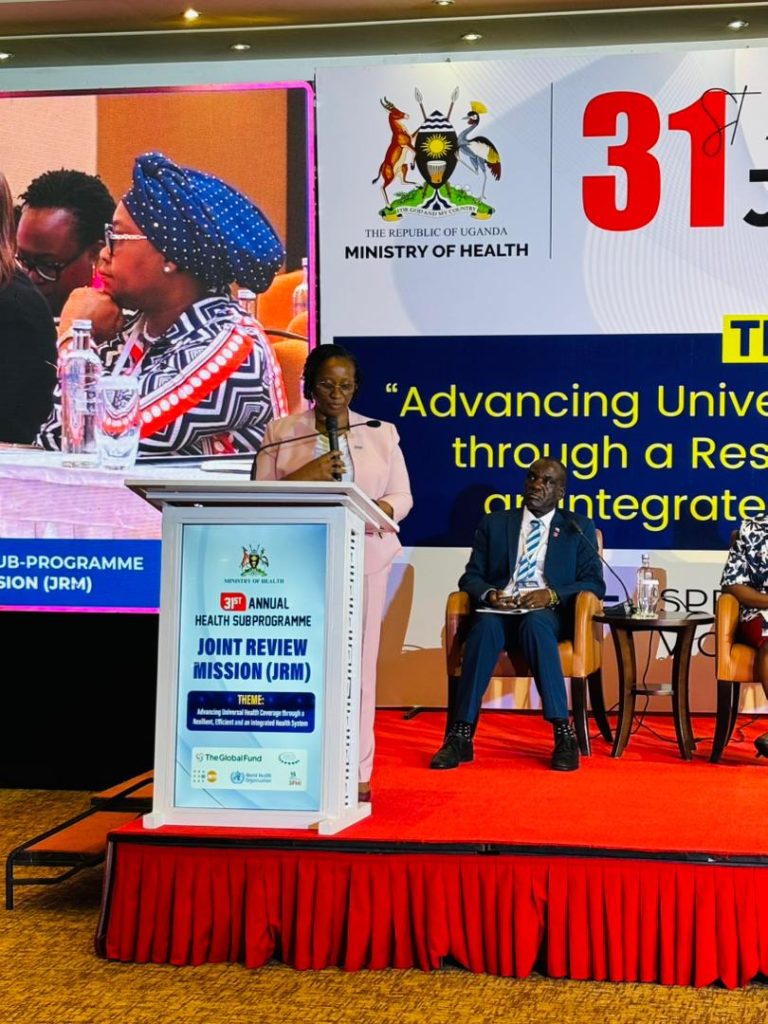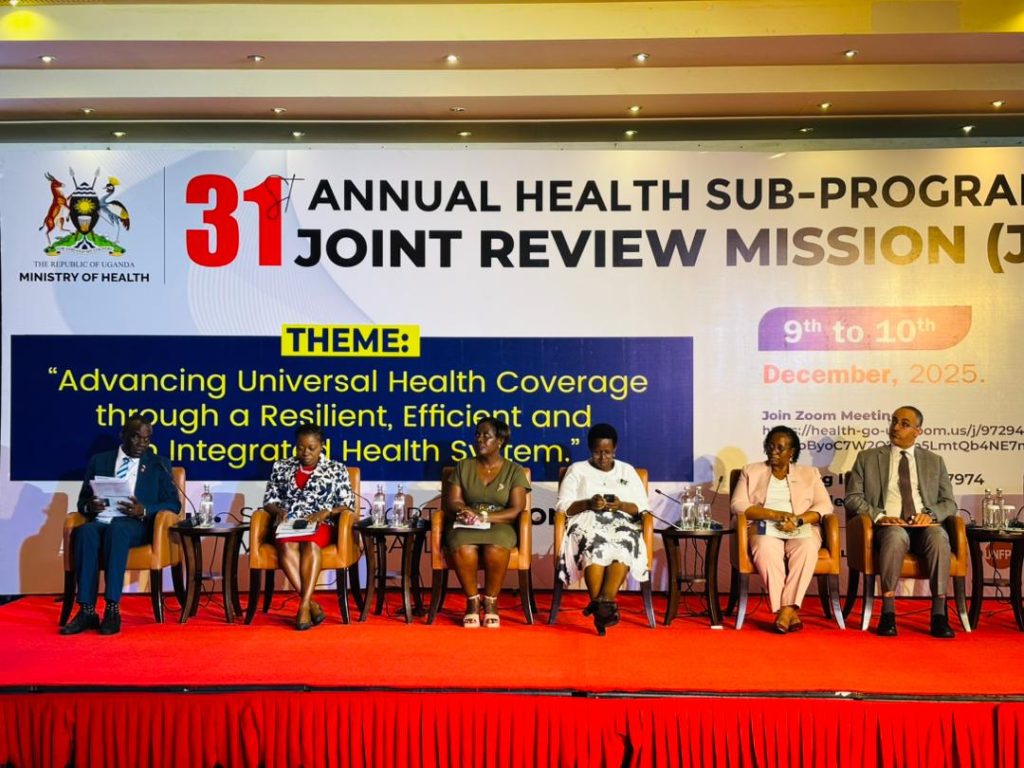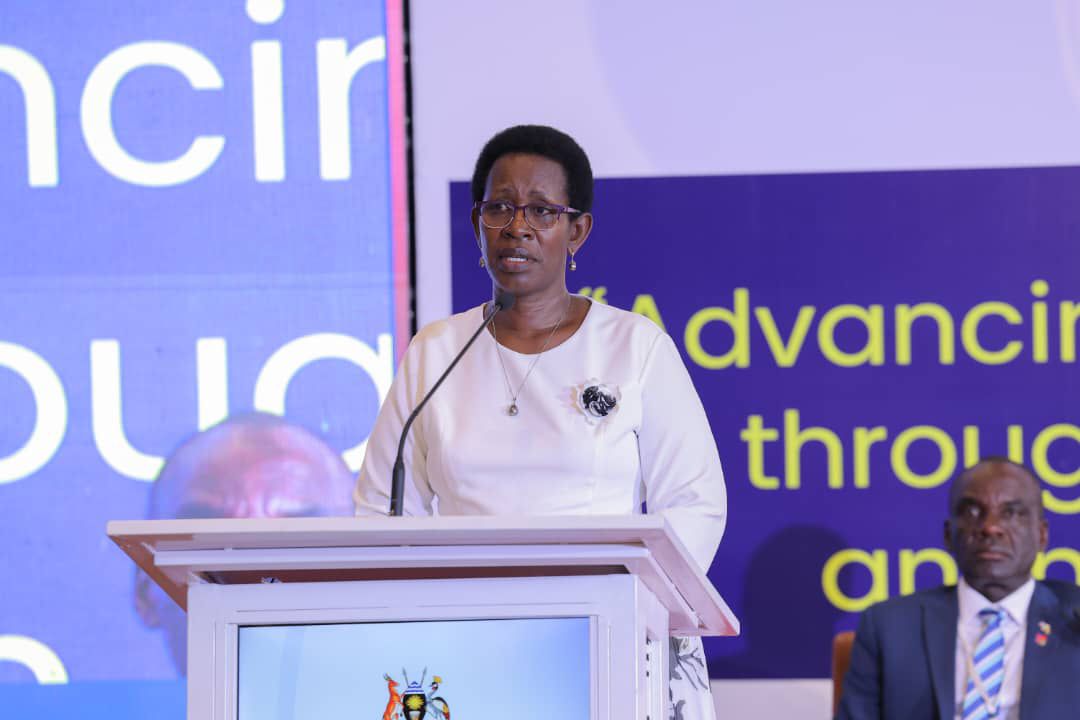
KAMPALA — Senior leaders from the Ministry of Health and the World Health Organisation (WHO) have outlined Uganda’s healthcare priorities for the next five years during the opening of the Health Sector Joint Review Mission. The event, themed “Advancing Universal Health Coverage through a Resilient, Efficient and Integrated Health System,” also marked the launch of Uganda’s new five-year Strategic Health Plan.
Dr Diana Atwine, addressing the participants, acknowledged the contributions of district leaders, health workers, and development partners under the concluded National Development Plan (NDP II), while noting that not all targets were achieved. She highlighted the importance of meeting every target under NDP III and emphasised the critical role of Uganda’s dedicated and skilled workforce.
Dr Atwine encouraged all personnel to review the Strategic Plan and identify specific areas where they could contribute results, noting that while infrastructure, medicines, and financing are essential, the health system’s greatest asset is its people. “Without motivated and skilled health workers, everything else stands still,” she stated.
WHO Country Representative Dr Mwinga Kasonde highlighted the human impact of resilient health systems, citing examples such as improved maternal care in Busoga, HIV interventions in Karamoja, and recovery efforts for Ebola survivors. He linked these outcomes to measurable improvements, including reduced maternal mortality and stabilised HIV prevalence.
Both leaders identified three key pillars guiding the Strategic Health Plan: Integration, Efficiency, and Resilience. Dr Kasonde noted the importance of integrating services for HIV, TB, and other diseases into primary healthcare to ensure sustainability amid changing global funding.
Dr Atwine emphasised that efficiency is crucial, noting that effective management and waste elimination are equally important as resource allocation. Both leaders also highlighted the need for increased domestic financing and strategic investment in primary healthcare.
Resilience was emphasised as the outcome of sustained effort and planning. Dr. Kasonde linked it to global frameworks, including the new Pandemic Agreement, while Dr Atwine reiterated that resilience, like efficiency, ultimately depends on people.
The event set a clear expectation that transformative results over the next five years will rely on both system improvements and the dedication of every health worker and partner. By empowering personnel, integrating services, and prioritising efficient and resilient systems, Uganda positions itself to deliver measurable health outcomes for all citizens.
By Akena Martin
Communications Officer,GCIC