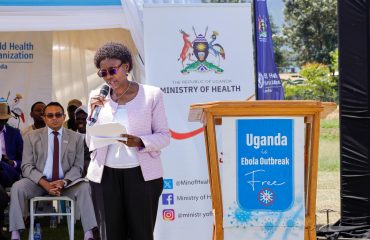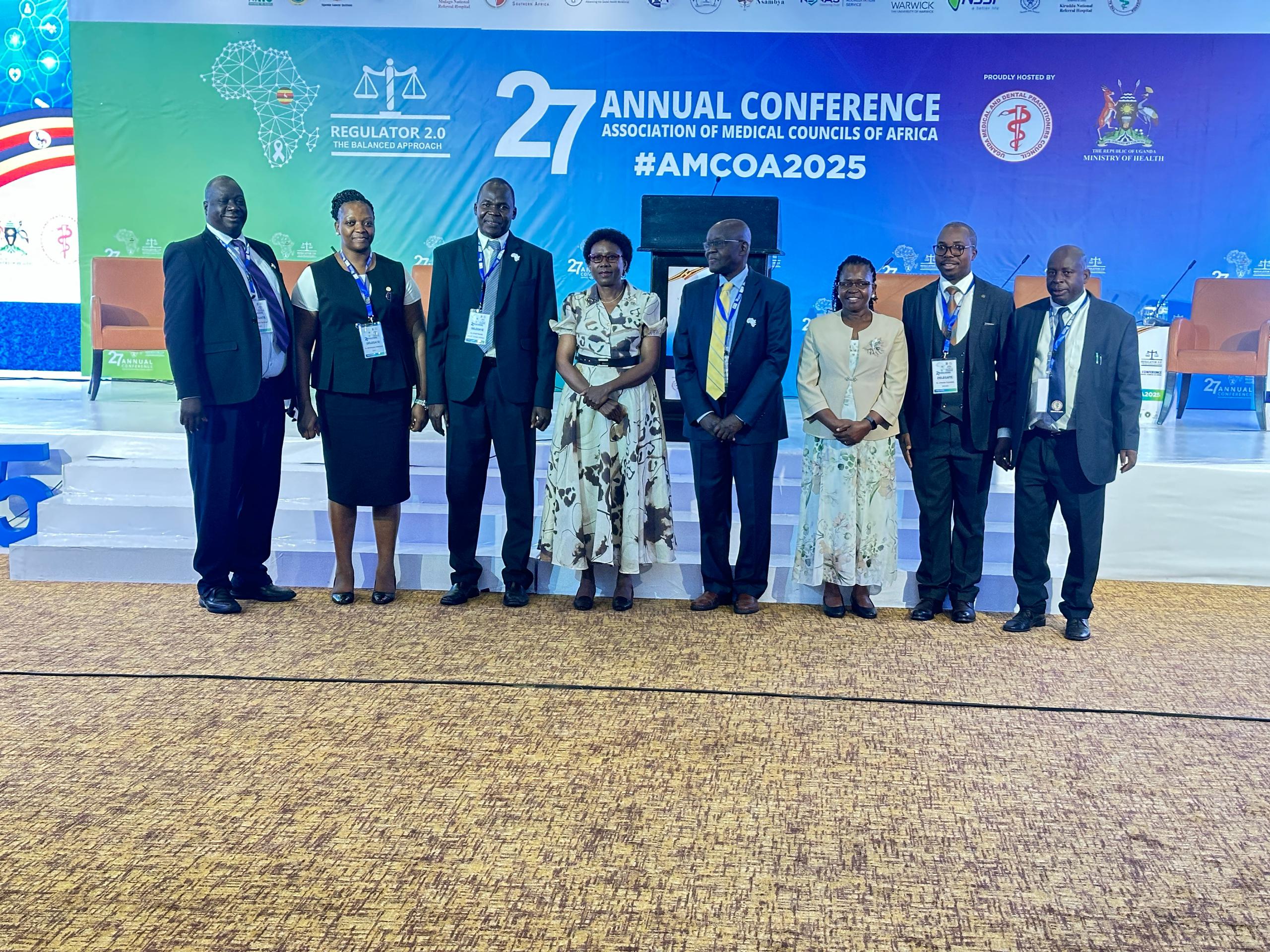
The Government and people of Uganda are deeply honored to host health regulators, medical professionals, and stakeholders from across the globe at this vital conference from 27th-31st 2025. Minister of health extends her heartfelt welcome to all our international guests who have joined us at Speke Resort Munyonyo for this important dialogue on strengthening healthcare systems through effective regulation and support for healthcare professionals.
As regulators, you play a pivotal role in the delivery of healthcare services in your respective countries. You are entrusted with the solemn responsibility of safeguarding public health by ensuring that professional standards are maintained in both training and practice. The healthcare landscape continues to evolve rapidly, with the emergence of new diseases and a continuous flow of medical knowledge. Therefore, it is critical that regulatory bodies ensure that training institutions produce health workers equipped not just with knowledge, but with the right skills, attitudes, and competencies required to meet modern healthcare challenges.
Beyond their role in public protection, medical regulatory bodies also serve as custodians of the welfare of healthcare professionals. This aspect of their mandate, though sometimes underappreciated, is central to ensuring a sustainable and effective healthcare system. Achieving the delicate balance between protecting the public and supporting healthcare providers is no easy task. Doctors and health professionals may sometimes perceive regulators as punitive authorities, which can deter open conversations around mental health and well-being.
Patient safety remains a top priority. However, we must also acknowledge that the well-being of medical professionals is a critical component of a resilient healthcare system. It is therefore essential for medical councils to not only set standards but also foster supportive environments that reduce stigma and encourage access to mental health care.
The Minister urged this conference to place particular attention on the following priority areas:
Creating Safe Working Environments; Health professionals deserve safe, supportive workplaces. Regulatory bodies must establish and enforce standards that promote occupational safety and health for all healthcare workers.
Prioritizing Health Worker Well-being; Burnout among health workers is a growing concern and can lead to increased risk of medical errors. Ensuring the well-being of staff directly correlates with the safety of patients.
Promoting Self-Care and Access to Healthcare; Healthcare professionals must be encouraged to seek timely treatment. Institutions should provide accessible and appropriate health services specifically tailored to their needs.
Addressing Mental Health Challenges; There is an urgent need to develop systems that identify and provide care for healthcare workers struggling with mental health issues, addiction, or psychiatric conditions without fear of stigma.
Upholding High Standards in Training and Development; Competence starts with quality education. Continued professional development must be maintained to help professionals keep up with advancements in the field and minimize stress arising from inadequate preparation.
Using Workforce Data for Policy and Planning; Data is a powerful tool for evidence-based policymaking. We must collect, analyze, and apply workforce data to support decision-making that enhances healthcare delivery and workforce well-being.
As Minister of Health, Dr. Aceng affirmed the Ministry’s unwavering commitment to supporting professional regulatory bodies in executing their mandates. Government believes that the recommendations from this conference will make a meaningful contribution to the future of healthcare in Uganda and Africa.
Communications Officer
Government Citizen Interaction Centre
State House.