By Akena Martin
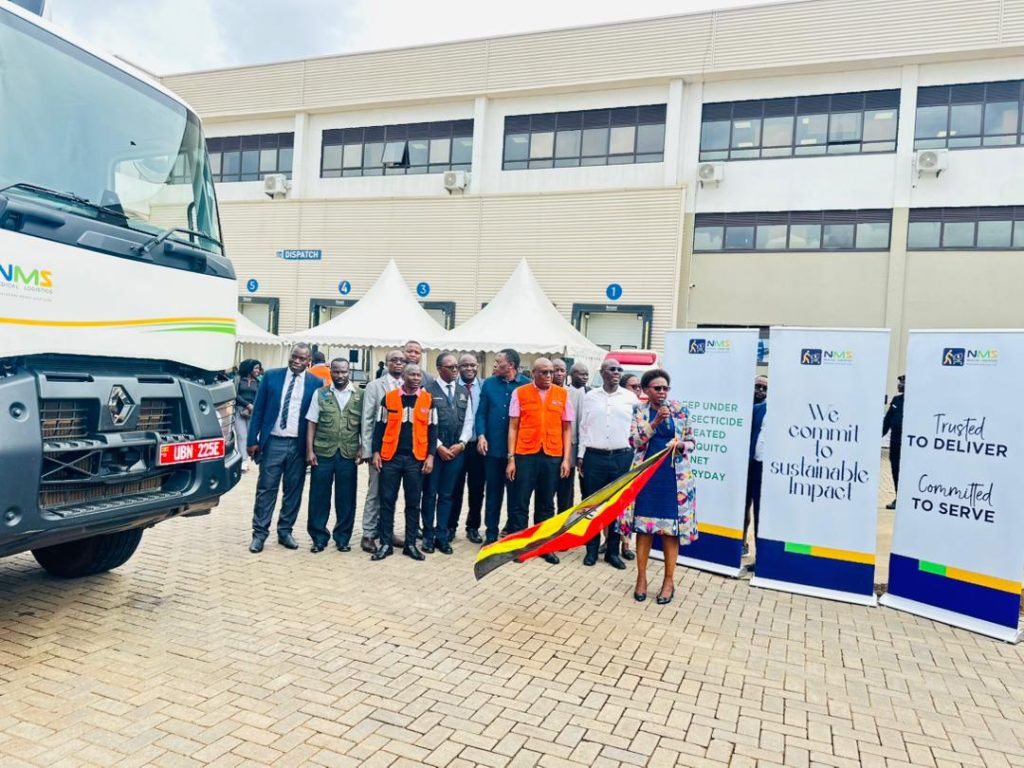
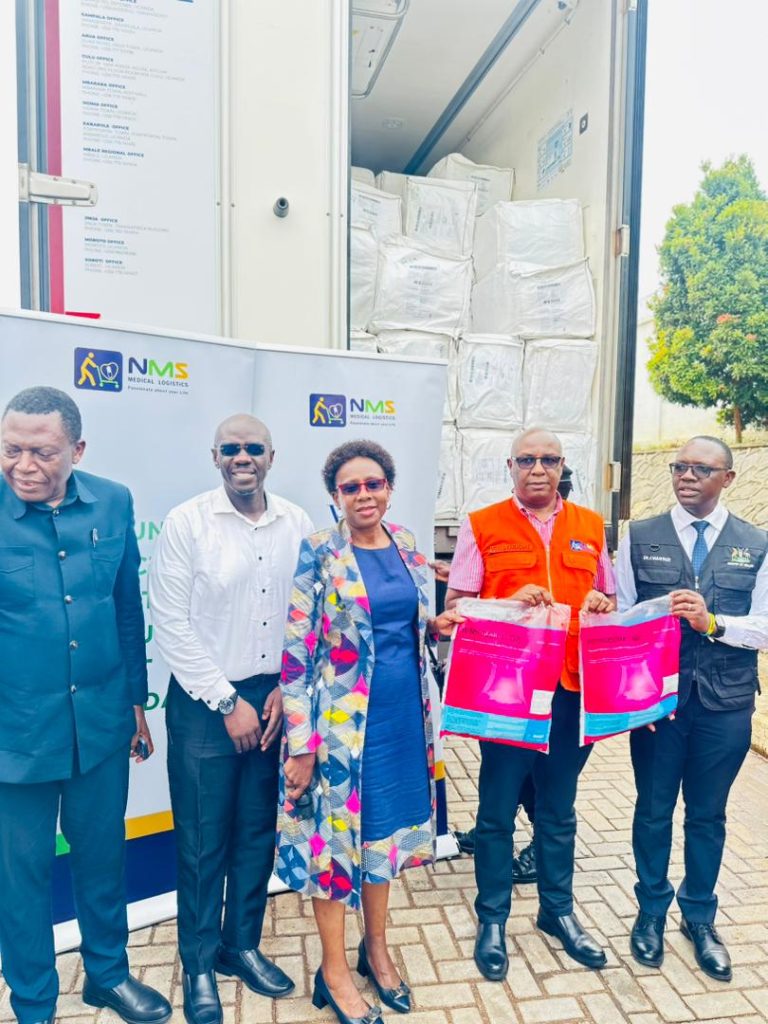
The Government of Uganda has officially launched a nationwide distribution of 25.8 million long-lasting insecticide-treated mosquito nets, marking a major public health intervention aimed at curbing a resurgence of malaria and safeguarding millions of citizens.
The campaign comes at a critical time, as recent data indicate a worrying rise in malaria cases and deaths. In 2023, Uganda recorded over 16 million malaria cases and 2,793 deaths, with children under five years and pregnant women remaining the most vulnerable. National malaria prevalence has increased from 9.2 per cent in 2018 to 12.5 per cent, underscoring the urgent need for renewed preventive action.
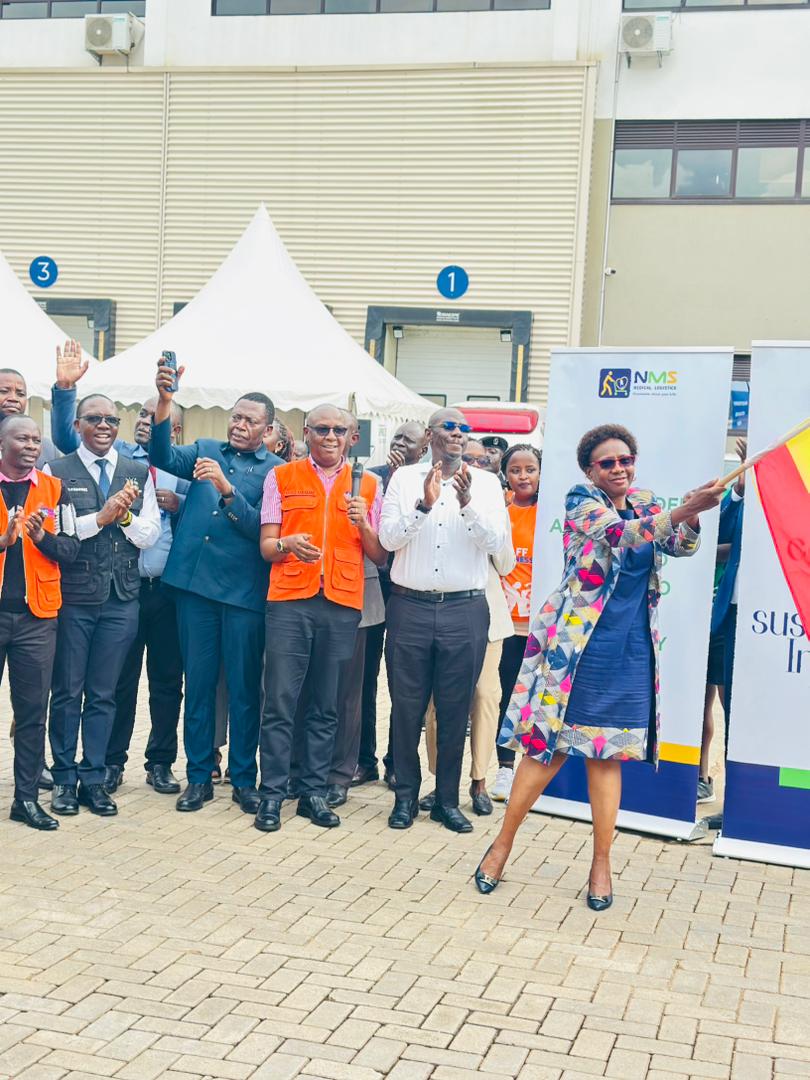
Launching the campaign, the Minister of Health, Dr Jane Ruth Aceng, described the initiative as a life-saving response to an evolving public health threat. She noted that prolonged heavy rains and changing climatic conditions have intensified mosquito breeding, increasing the risk of transmission across many parts of the country.
“Malaria deaths will not wait. We must protect our people now, especially the most vulnerable,” Dr Aceng emphasised.
The exercise, officially known as the 5th Universal Coverage Campaign (2025–2026), is one of the largest malaria prevention efforts undertaken in Uganda. It is valued at approximately USD 100 million (UGX 380 billion) and is jointly funded by the Government of Uganda, the Global Fund to Fight AIDS, Tuberculosis and Malaria, and the United States Government.
The campaign aims to achieve over 80 per cent universal coverage of mosquito nets nationwide, a key pillar of the Uganda Malaria Reduction Strategic Plan 2025–2030. Health authorities project that widespread and correct use of the nets will reduce malaria episodes by at least 50 per cent in high-transmission districts.
Distribution will be conducted in five waves to ensure efficiency and accountability. The first wave, which begins this January, targets 20 high-burden districts in the Northern and Eastern regions, including Apac, Lira, Jinja, and Kamuli. During this phase, 3.4 million mosquito nets will be distributed, providing protection to an estimated 8.5 million people.
The National Medical Stores (NMS) is spearheading the logistics of the operation. The NMS General Manager confirmed that all mosquito nets earmarked for the first phase have already been delivered to district stores and are ready for parish-level distribution.
“Our role is to ensure safe storage and timely delivery of these essential commodities to the designated distribution points,” he said.
While the scale of the operation is significant, health officials stressed that its success depends largely on proper and consistent use of the mosquito nets. Misuse of nets for activities such as fishing or fencing remains a major concern.
The Director General of Health Services highlighted the persistent burden malaria places on the health system, noting that the disease still accounts for three out of every ten outpatient visits nationwide.
“When households spend large portions of their income treating a preventable disease, it undermines broader social and economic development,” he observed.
The World Health Organization (WHO) Country Representative, Dr Andrew, reaffirmed Uganda’s commitment to malaria elimination, citing the country’s leadership in signing the Yaoundé Declaration “Behind every statistic is a child, a mother, a family, and a future at risk. These nets must be treated as a shared national responsibility,” he said.
Dr Aceng further explained that mosquito nets will not be distributed in districts where indoor residual spraying is currently underway, as part of ongoing efforts to assess and deploy the most effective mix of malaria control interventions.
With Uganda accounting for 5 per cent of global malaria cases and ranking third worldwide in malaria prevalence, the stakes remain high. As mosquito nets move from warehouses into households across the country, health authorities have issued a clear call to action: hang the net, sleep under it every night, and play a part in ending malaria, a disease that continues to claim lives and constrain national development.